The Russian Revolution
"How Lenin seized control of Russia"
⭐ 6.32017-06-1547 minReleased
Revenue
Not Disclosed
Budget
Not Disclosed
Where to Watch
Stream in high quality


Global Revenue
Not Disclosed
Detailed Plot
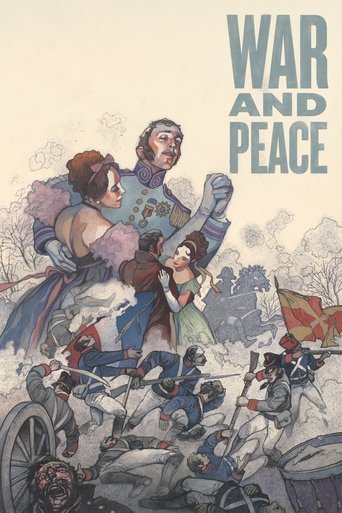
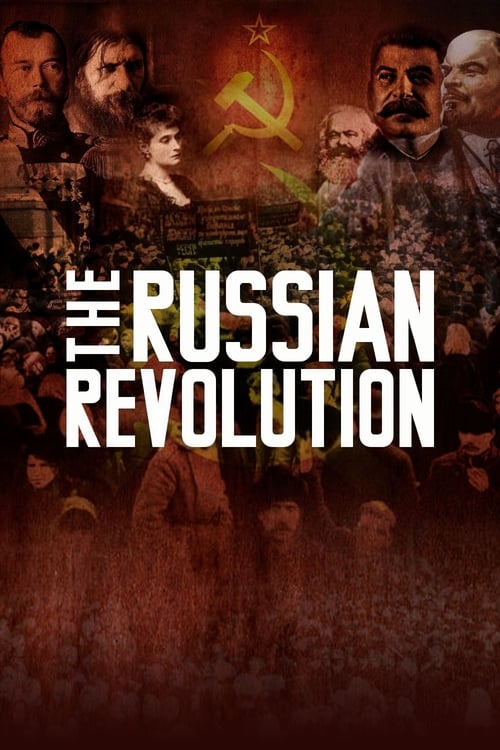
The Russian Revolution was a period of political and social change in Russia starting in 1917. This period saw Russia abolish its monarchy and adopt a socialist form of government following two successive revolutions and a civil war. It can be seen as the precursor to other revolutions that occurred in the aftermath of World War I, such as the German Revolution of 1918–1919. The Russian Revolution was a key event of the 20th century.
The Russian Revolution began with the February Revolution in 1917, in the midst of World War I. With the German Empire inflicting defeats on the Eastern Front and increasing logistical problems causing shortages of bread and grain, the Russian Army was losing morale, with large-scale mutiny looming. Officials were convinced that if Tsar Nicholas II abdicated, the unrest would subside. Nicholas stepped down on 15 March [O.S. 2 March], ushering in a provisional government led by the Duma (parliament). During the unrest, locals in Petrograd (now Saint Petersburg) formed Soviet councils. These councils did not initially oppose the new government, but they insisted on having influence over it and control of the militias. By March, Russia had two rival governments. The Provisional Government held state power in military and international affairs, whereas the network of Soviets held domestic power. The working and urban middle classes provided critical support to the Soviets. There were mutinies, protests and strikes. Socialist and other leftist political organizations competed for influence within the Provisional Government and Soviets. Factions included the Mensheviks, Socialist Revolutionaries, Anarchists, and the Bolsheviks, a far-left party led by Vladimir Lenin.
The Bolsheviks won popularity with a program promising peace, land, and bread: an end to the war, land for the peasantry, and ending famine. After assuming power, the Provisional Government continued fighting the war in spite of public opposition. Taking advantage, the Bolsheviks and other factions gained popular support to advance the revolution. Responding to discontent in Petrograd, the Provisional Government repressed protestors, leading to the July Days. The Bolsheviks merged workers' militias loyal to them into the Red Guards. The volatile situation reached its climax with the October Revolution, an armed Bolshevik insurrection in Petrograd beginning 7 November [O.S. 25 October] that overthrew the Provisional Government. The Bolsheviks established their own government and proclaimed the establishment of the Russian Soviet Federative Socialist Republic (RSFSR). Under pressure from German military offensives, the Bolsheviks relocated the capital to Moscow. The RSFSR began reorganizing the empire into the world's first socialist state, practicing soviet democracy on a national and international scale. Their promise to end Russia's participation in World War I was fulfilled when Bolshevik leaders signed the Treaty of Brest-Litovsk with Germany in March 1918.
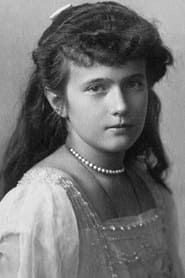
Production Stills & Gallery

View HD
User Reviews
alexas⭐ 10/10
Easy 5/5 stars. By far the best documentary I have ever seen on the Russian Revolution. Required viewing for anyone with any interest whatsoever in one of the most important events of the 20th Century.