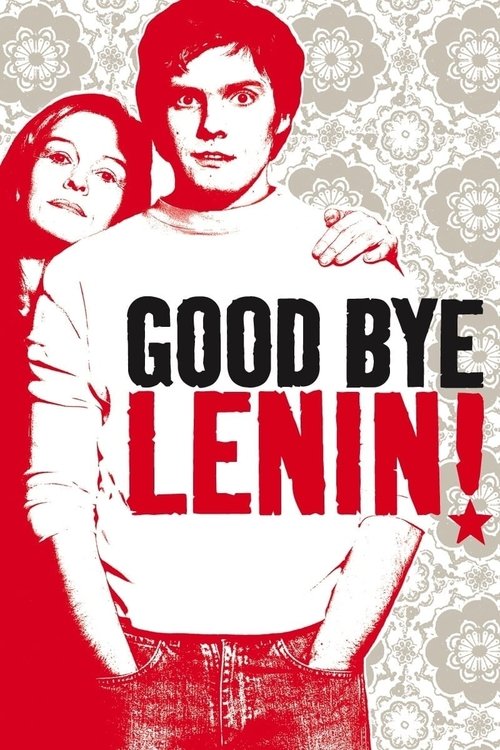
Good Bye, Lenin!
Revenue
$79,384,880
Budget
$4,800,000
Where to Watch
Stream in high quality
Global Revenue
$79,384,880
Detailed Plot
Trailer






Production Stills & Gallery





User Reviews
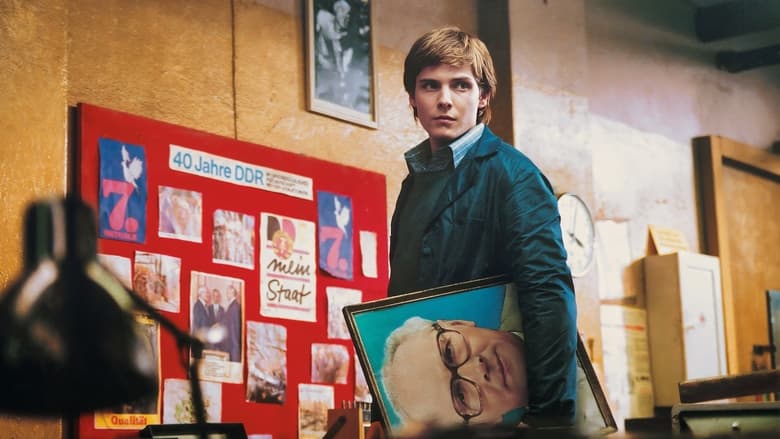
Daniel Brühl is on good form here in this entirely far-fetched but enjoyable drama. He and his sister “Ariane” (Maria Simon) live in East Germany with their proud citizen mother (Katrin Sass) who has just been awarded a special medal for her socialist public-mindedness. The thing is, it is 1989 and the whole Honecker regime is beginning to totter. People are on the streets and one of them just happens to be “Alex”. When he gets himself apprehended by the police on the street, she tries to intervene but only manages to end up in a coma. He is promptly released and for a while he and his sister and her boyfriend have to live their lives whilst she breathes through hospital tubes. Then, some months later, she wakes up. The doctors have advised that she should be kept rested and peaceful, and so her kinder decide that maybe now is not the best time to tell her that the Berlin Wall is now a pile of rubble and the Trabant she has longed for could now be a VW! How on Earth can they keep such momentous developments from the woman, especially when it’s all that is on the television Well that’s where he recruits the help of her nurse/his girlfriend “Lara” (Chulpan Khamatova) and his creative pal “Denis” (the frequently scene-stealing Florian Lukas) and next thing she is eating the same old stuff, the flat is restored to it’s 1980s look and somehow they are managing to rig the news broadcasts so all they report are the glories of the DDR. How long can they keep it up, though? Sooner or later she is going to want to go outside, or even look out of the window. Although the whole thing does border on the preposterous a bit, it does ask just how far we would go to shield a loved one from stress and trauma, and as the antics get more and more daft Brühl steps up to the plate entertainingly. It also doesn’t shy away from addressing the issues facing a population that had hitherto relied up the state for so much, and that now had to fend for itself in a much more obvious dog-eat-dog fashion. This is especially exemplified when their currency is to be merged with the Deutsch Mark and they can’t find her savings! By creating such ridiculous scenarios, this quite comically shows up the absurdity of dogmatic politics and, to a certain extent, of family too and Bernd Lichtenburg’s sharp script gives just about everyone some powerfully natural dialogue to make us laugh and think. In the end, though, it’s all about Brühl and he delivers. This is worth a couple of hours.