Golda
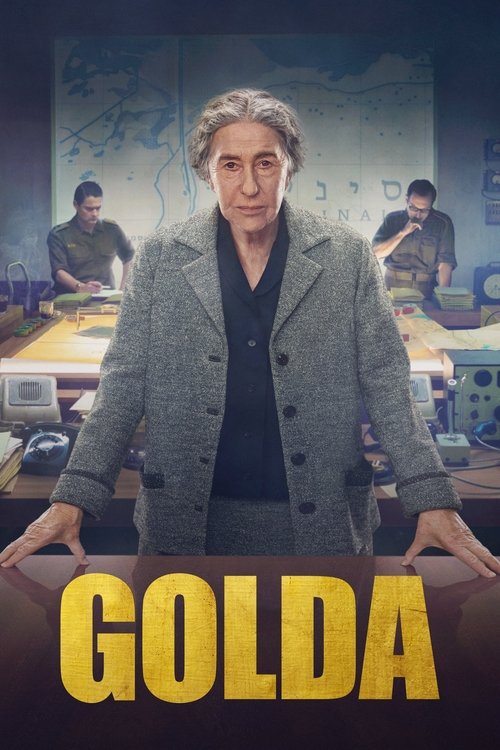
"Israel, 1973... One woman stood between victory and defeat."
Revenue
$7,039,677
Budget
Not Disclosed
Where to Watch
Stream in high quality



Global Revenue
$7,039,677
Detailed Plot
Trailer






Production Stills & Gallery


User Reviews
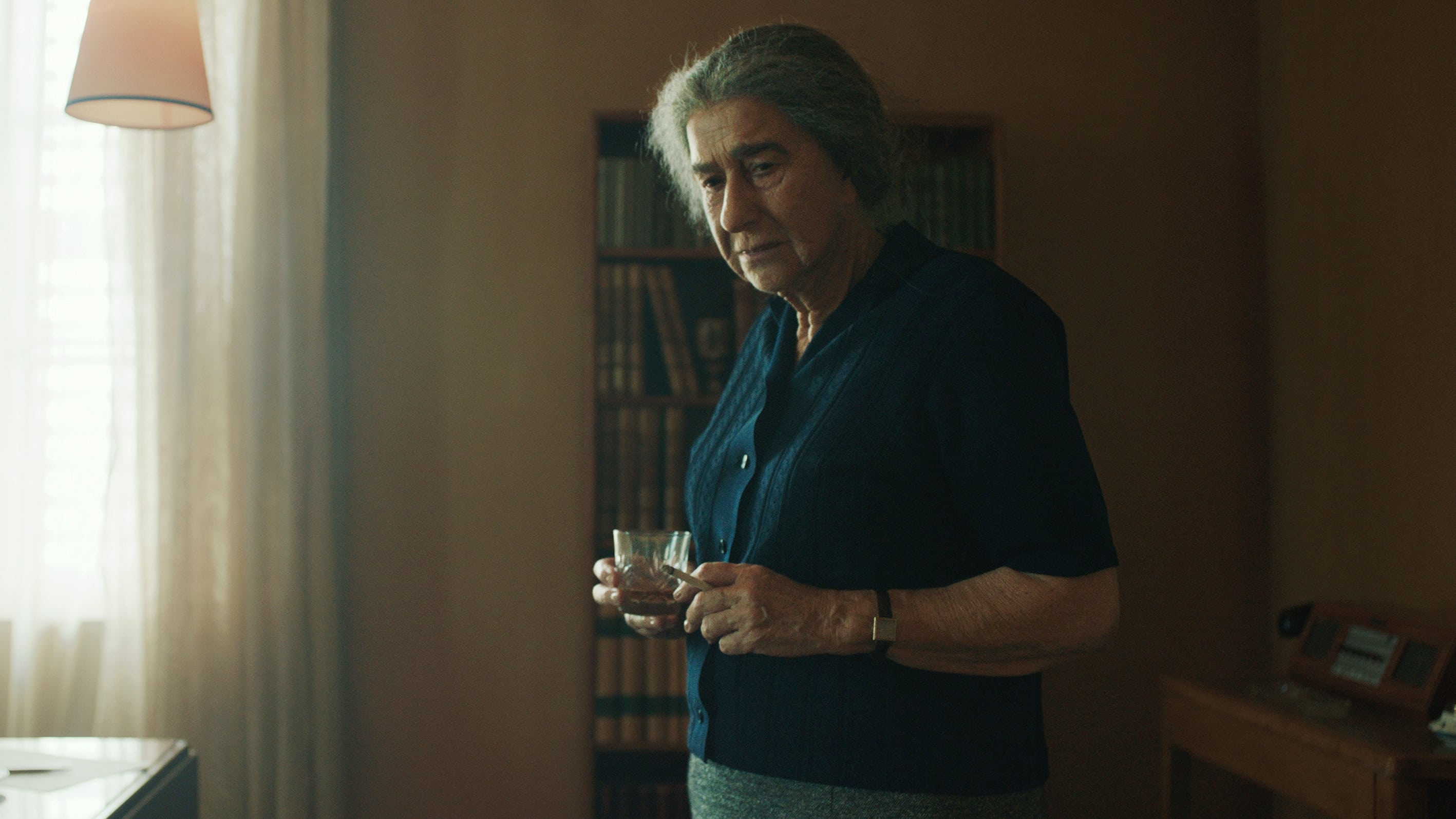
Paying homage to a country’s great leader is certainly a worthy and noble undertaking, but, when it comes to director Guy Nattiv’s would-be tribute to Israeli Prime Minister Golda Meir (Helen Mirren), the film comes up far short of what it could have been. The film focuses on Meir’s handling of the 1973 Yom Kippur War, when the nation was on the brink of collapse from “surprise” (though strongly anticipated) attacks by Egypt and Syria, largely as retribution for their territorial losses in the 1967 Six-Day War, with significant support from the Soviet Union. The picture presents a detailed by-the-numbers account of the conflict, including Meir’s involvement with her top military advisors and with US Secretary of State Henry Kissinger (Liev Schreiber). Granted, it’s important to understand this background to provide context for the stage on which this drama plays out. However, for a release called “Golda,” one would think that its focus would be on the title character, as a biographical sketch that just happens to be set during wartime. Instead, because of this, Meir is almost reduced to a supporting player in a much wider cast of characters playing out the specifics of the conflict (at least in the first half). There’s virtually no back story about the PM as an individual, providing little insight into who she is and how that impacts her approach to handling the combat. To its credit, the film improves in the second half, especially when it starts presenting Meir’s story from a somewhat more personal perspective. By that point, however, the filmmaker has already lost his audience for what this offering could and should have been. Viewers come away from this one knowing little more about the woman who was a national hero in a time of crisis than what they would likely find in history books and documentary films. In fairness, Mirren and Schreiber deliver fine performances, disappearing into their respective roles and making this production look better than it actually is. But that’s not saying much given what seems to be the genuinely sincere intent that was behind this release. Unlike Meir, this film simply doesn’t rise to the challenge, and that’s unfortunate considering who it is ultimately trying to honor. And, because of that, it should come as no surprise why this offering has ended up in the late summer stash of cinematic also-rans.