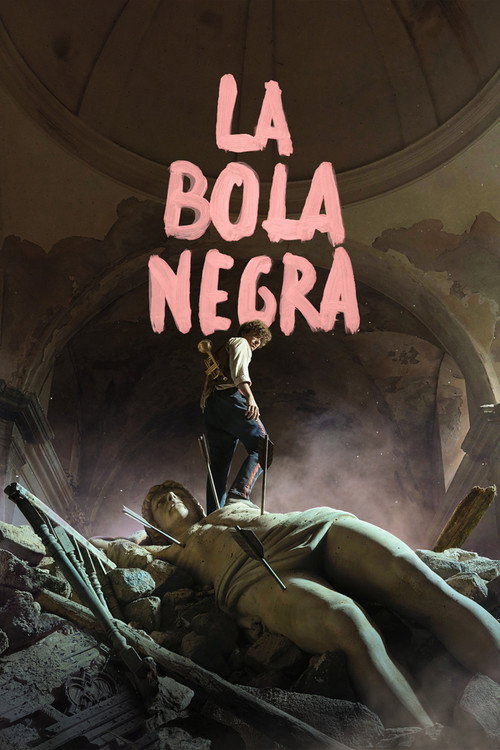
La Bola Negra
"Love leaves a legacy."
Revenue
$43,754,436
Budget
$11,100,000
Where to Watch
Stream in high quality
Global Revenue
$43,754,436
Detailed Plot
Trailer





Production Stills & Gallery


User Reviews
This film totally blew me away, the two directors are my spirit animals! Everything in this is perfect, the music just take me away!
I’m still trying to find the words to fully encapsulate everything this film made me feel. I can’t recall the last time a movie left me so moved and devastated that it continued to linger in the back of my mind days after watching it. La Bola Negra is objectively one of the most important and deeply necessary films ever made—one that will hopefully inspire future generations of queer people to live truly and freely, while confronting those who still proudly raise their fists for fascism. It is a powerful reminder of how magnificent it is to have art that resonates across generations. This is a transcendental masterpiece that will undoubtedly stand the test of time. I cannot praise Los Javis enough for creating something truly monumental.
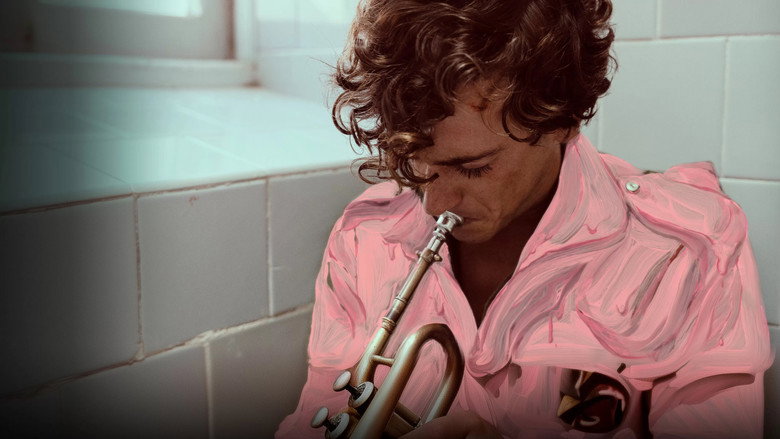
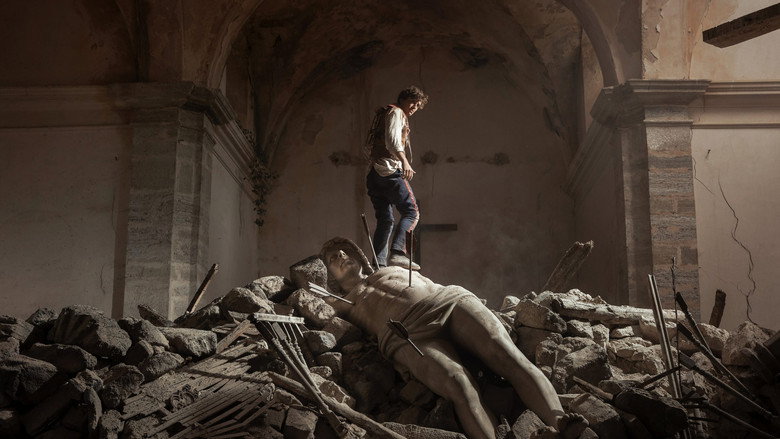
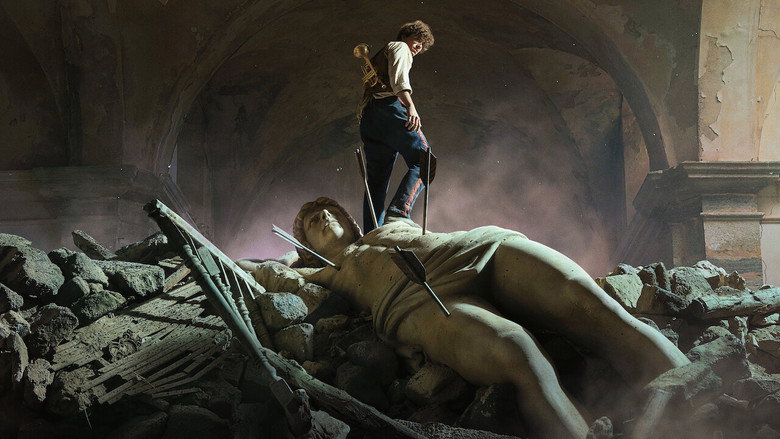
There is something potently circular about this really quite evocative tryptich of tales of identity and freedom in a Spain being torn apart by prevailing religious and social prejudice, war and latterly a tumult of consequential guilt and grief. The most recent element focusses on "Alberto" (Carlos González) who lives with his boyfriend "Juan Pablo" (Julio Torres); struggles to make any sort of living as a playwright and has what can only be described as a volatile relationship with his mother "Teresa" (Lola Dueñas). When her father dies, he is told to go to Cantabria to collect his inheritance - with no idea what this might be. Simultaneously, back in 1932, the dapper "Carlos" (Milo Quifes) arrives suitably suited and booted at his town's casino where he is to be put up for membership. His father is a member of this prestigious establishment, so he ought to be a shoe-in - or might the rumour-mill have a role to play in this process? In 1937, at the height of the Civil War, we encounter "Sebastián" (Guitarricadelafuente). He's a musician, a trumpeter, whose village was accidentally attacked by the Italian Fascists and now, having barely escaped with his life, he has been drafted into the Francoist forces and charged with guarding prisoner "Rafael" (Miguel Bernardeau). This fellow, an officer, had been salvaged from the battlefield and was being treated so he could be gleaned for information before, well you can guess... What follows for the next 2½ hours takes each of these seemingly unrelated threads and weaves something eerily compelling to watch. It presents us with a critique on the iniquities of their sexuality, certainly, but also one on the ridiculousness of war, of snobbery, bigotry and on the toxicity of grudges - contemporary or inherited! Each of these characters, and those their lives touch across the field of conflict - both physical and metaphorical - speak to the effects of love, longing and despair all in a fashion that's entirely devoid of sentimentality throughout and I felt that really augmented the personalities here. Personally, I felt the story between "Rafael" and "Sebastián" resonated most profoundly, especially as that offers us something slightly more complete than the others, but the visceral efforts of Dueñas and González also serve to contrast well how far we have come in these eight decades, but actually how far we still have to go. This is a great looking feature with a superb score to accompany it and it's not often that I see a film involving Penélope Cruz and/or Glenn Close and find their contributions - though important in their way, got a little lost in an overall theme that's touching and characterful. I reckon there will be Goya's galore coming from this film and it really is worth watching in a cinema if you can.